

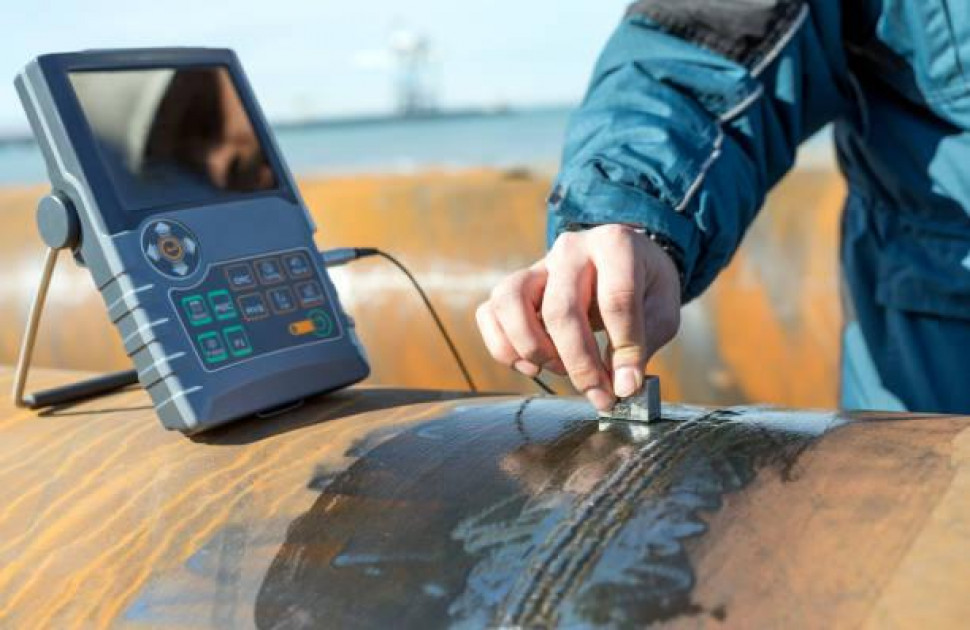
Ultrasonic Testing (UT)
Ultrasonic Testing (UT) is a non-destructive technique that uses high-frequency sound waves to detect internal flaws, measure wall thickness, and assess material integrity in petrochemical structures like welds, pipes, and tanks.
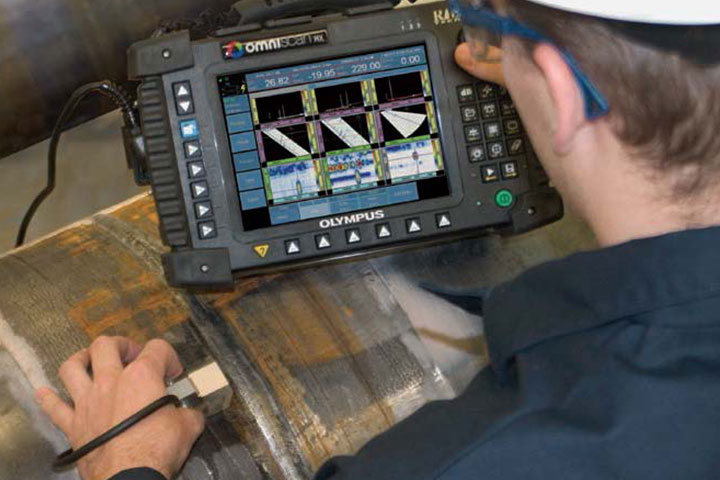
Phased Array Ultrasonic Testing (PA-UT)
Phased Array Ultrasonic Testing (PAUT) is an advanced non-destructive technique that uses electronically controlled ultrasonic beams from multiple elements to create detailed, sectorial scans for detecting defects like cracks, lack of fusion, and corrosion in welds and thick-walled petrochemical components.
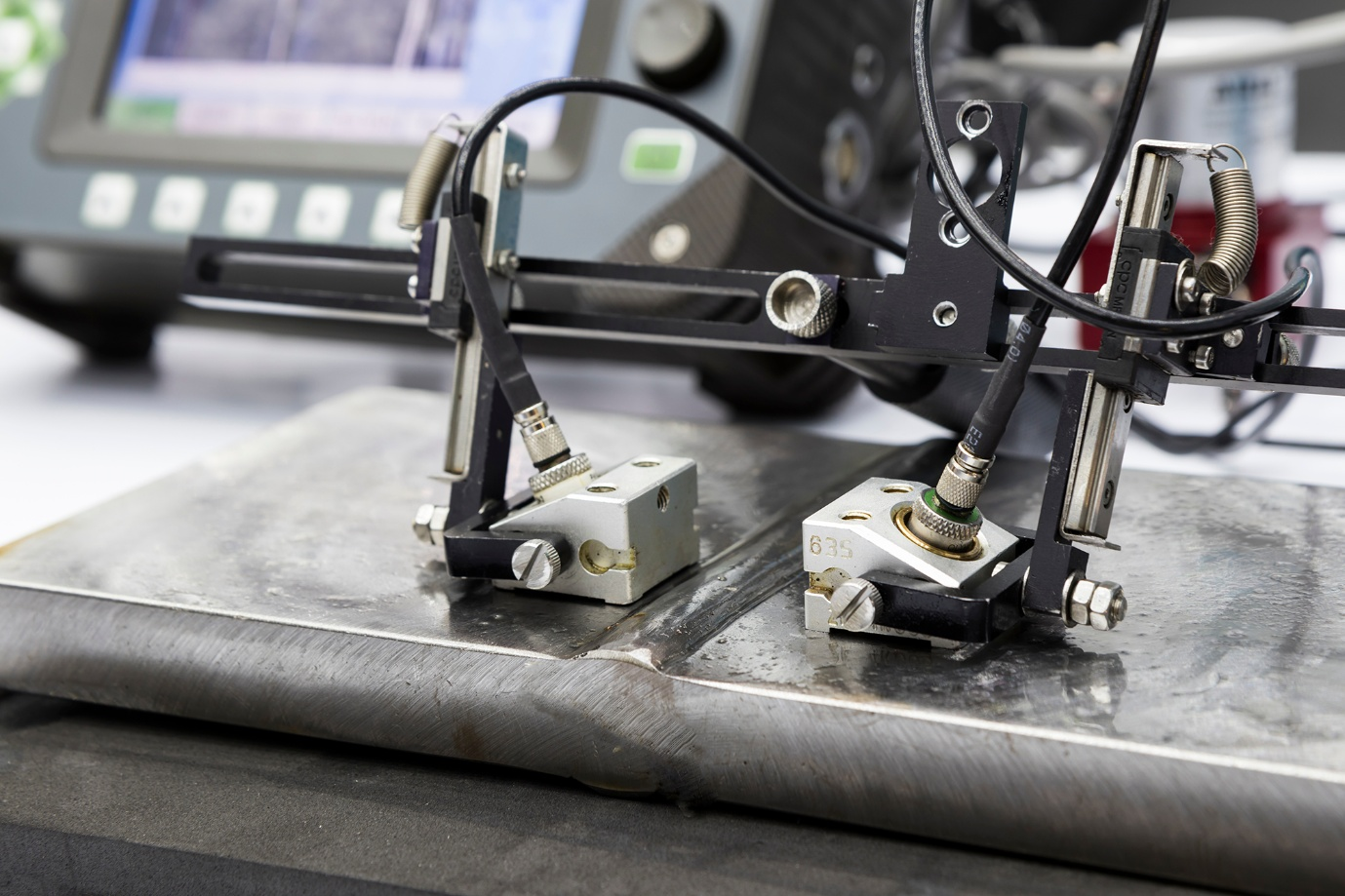
Time-of-Flight Diffraction (TOFD)
An advanced ultrasonic non-destructive testing method that uses the diffraction of sound waves from crack tips to accurately size and locate internal flaws, such as cracks and volumetric defects, in welds and thick sections of petrochemical equipment.
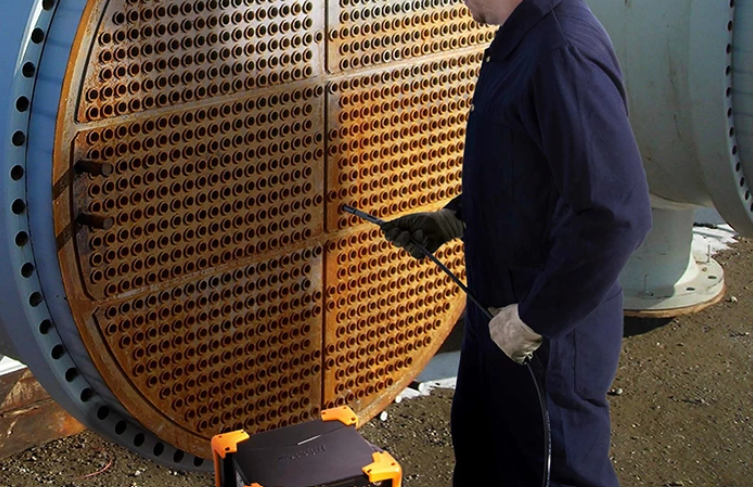
Eddy Current (EC)
Used to detect surface and near-surface flaws like cracks, corrosion, and wall loss in conductive petrochemical components such as pipelines and heat exchangers.
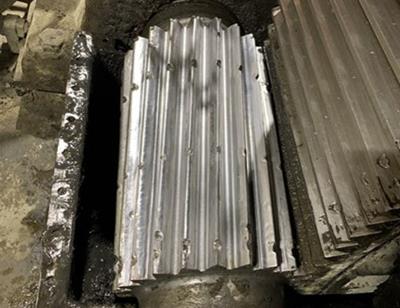
Alternating Current Field Measurement (ACFM)
A non-destructive electromagnetic technique that detects and sizes surface-breaking cracks in ferromagnetic materials via induced magnetic field distortions, ideal for inspecting welds, pipes, and gears without surface prep - ACFM enables rapid, under-coating inspections compliant with SANS 10227 and API 579 standards, identifying fatigue cracks to prevent leaks or failures.
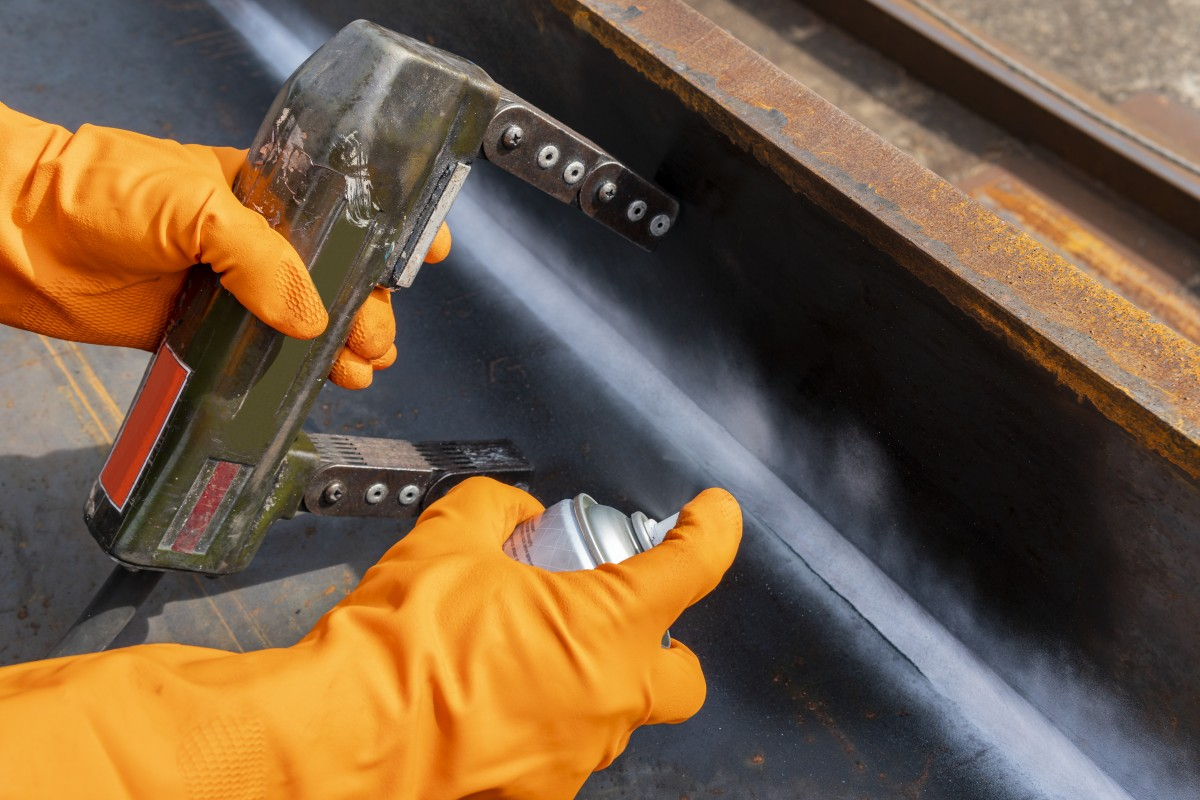
Magnetic Particle Inspection (MPI)
MPI is vital for routine inspections of storage tanks and structural components, ensuring compliance with SANS 10227 and API 1110 standards to prevent leaks and structural failures.
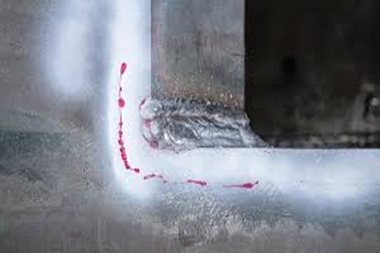
Dye Penetrant Inspection (PT)
Dye Penetrant Testing (DPT) is a non-destructive method that reveals surface-breaking defects like cracks, porosity, and leaks in non-porous materials by applying a liquid penetrant that seeps into flaws, followed by a developer to draw it out for visual inspection in petrochemical components such as valves, welds, and castings.

Visual Inspection (VT)
In South Africa's oil and gas infrastructure, including refineries at Sasol or Engen, VT serves as the first line of defence for routine surveillance and compliance with SANS 10227 and API 510 standards, detecting issues early to avert major disruptions.
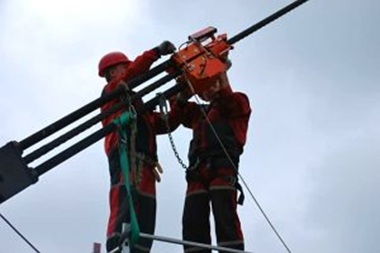
Electromagnetic Rope Inspection (EMAT)
At flare stacks in refineries like Sasol's Secunda complex, EMAT enables efficient in-service inspections of guy ropes under tension and environmental stress, complying with SANS 10227 and API standards to ensure structural stability and prevent catastrophic failures.
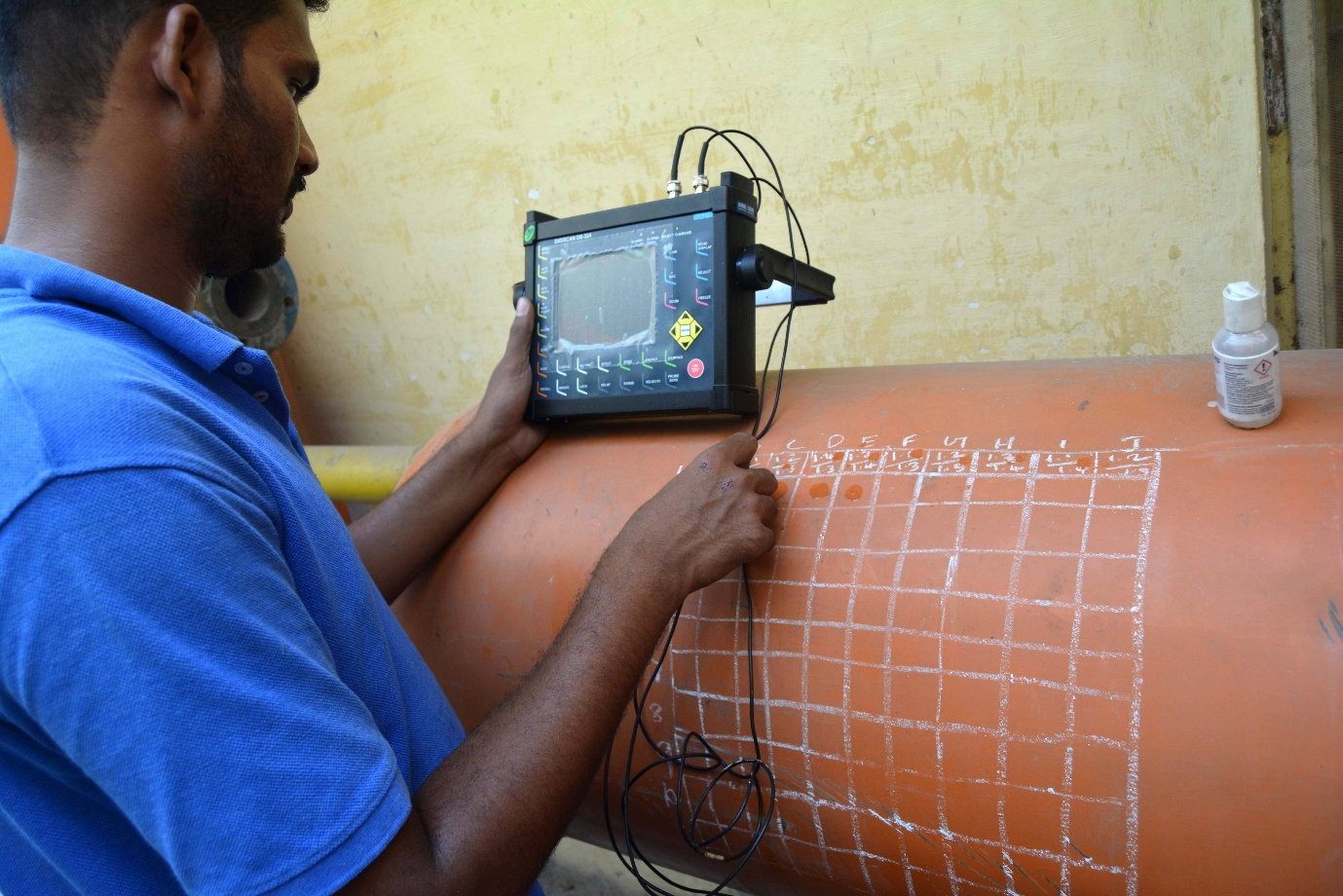
Corrosion Mapping
Corrosion Mapping is a non-destructive ultrasonic technique that systematically measures and visualizes wall thickness variations across large areas of petrochemical assets like pipelines, tanks, and pressure vessels to quantify corrosion damage and predict remaining life.
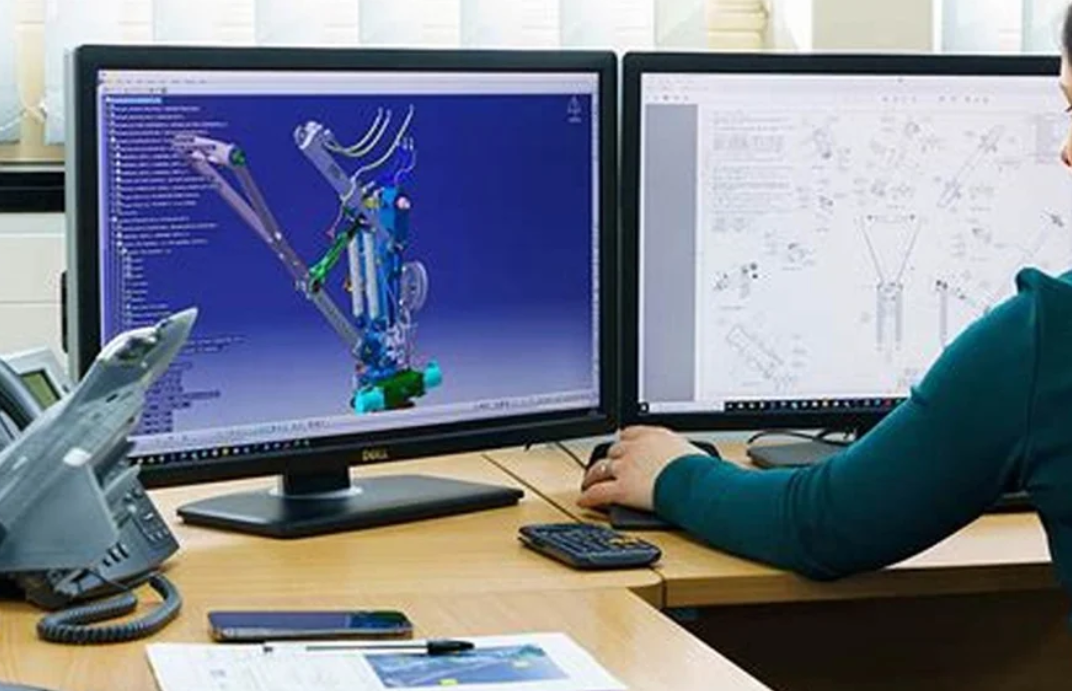
Custom Prototype Development
We use 3D scanners, printers, and CAD to design and build custom NDT manipulators for unique petrochemical needs. Our team iterates quickly from concept to prototype, helping you remain compliant despite difficult inspection environments.


